Cue vs Trigger: The Start
A habit usually begins when your brain predicts a familiar outcome and nudges you toward a learned action. That nudge often follows a cue, while a trigger is the event that reliably flips the switch for you in that moment. People mix the terms because both can appear “right before” the behavior, but they act differently in practice.
A cue is a signal that predicts what comes next: the smell of coffee, the sight of your running shoes, the phone lighting up with a calendar reminder. A trigger is the specific condition that initiates the behavior chain: you feel a certain level of stress, you notice you are late, you finish a meeting, or you take a medication at a set time. In many routines, cues are present for a while, then the trigger arrives and the action starts. I’ve seen this in habit tracking exports where the “cue” happens hours earlier than the logged behavior, which makes the cue look innocent until you map timing.
For example, “I drink water after I brush my teeth” often works because brushing is the cue that predicts a routine, while the trigger is the moment you finish brushing and spit. Another example: “I check my phone when I hear notifications” uses the notification sound as the trigger, while the cue might be the phone being within reach. The same behavior can also have multiple triggers depending on context, like checking messages when bored versus checking them when anxious.
Common Mix-Ups And Dependencies
People often label the first thing they notice as the trigger. That habit can mislead you because the first thing you notice might be a cue that predicts the routine, not the condition that starts it. If you only record “what happened right before,” you miss the earlier signals that prime your brain.
Another mix-up involves treating time as the trigger. A time-based cue like 7:00 a.m. can be real, but the trigger might be internal: you feel awake enough to act, you hear the house settle, or you’ve completed a morning step. Habit loops also depend on supporting technologies and environments. A notification system, a door lock, a thermostat schedule, or a wearable vibration can change what counts as a cue and what counts as a trigger.
Consider medication routines. Many people use a pill organizer and a phone alarm. The organizer is a cue (it sits where you can see it), while the trigger might be the moment you open the organizer or the moment you see the alarm and decide to act. If you travel, the cue may still exist but the trigger changes because your daily sequence changes. That’s why “same time” reminders sometimes fail when the rest of the day shifts.
Supporting dependencies also include attention and friction. If the cue is present but the behavior requires extra steps—walking to another room, unlocking a device, finding a charger—the trigger may never reach the action threshold. In one habit audit I did for a friend’s bedtime routine, the cue “phone on the nightstand” stayed constant, but the trigger “I’m ready to sleep” moved later, and the habit stopped without any conscious decision.
How To Identify Your Real Trigger
Map Timing With Two Logs
Run a simple two-column log for 7–14 days: one column for cues you notice before the behavior, and one for the moment the behavior actually starts. The goal is to capture timing differences, not to judge yourself. If the cue appears 30–90 minutes earlier than the start, it’s likely a cue that primes the routine rather than the trigger.
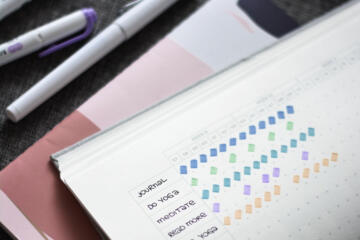
Use a consistent method for recording. A notes app with timestamps works, but a spreadsheet can make patterns easier to see. If you use a habit tracker, check whether it records the time you tap “done” rather than the time you started; that mismatch can blur cue-trigger relationships. I once compared two exports from a tracker version labeled “v2.3” and the timestamps differed by several minutes, which mattered for a phone-check habit.
Test Trigger Hypotheses, Not Willpower
Pick one candidate trigger and test it by changing only one condition for a few days. If you suspect “after lunch” triggers a snack habit, try a different lunch finish cue: eat in a different spot, change the order of steps, or add a brief non-food routine that ends right after lunch. If the behavior still starts at the same internal moment (for example, when you feel a specific level of fatigue), your trigger hypothesis needs revision.
Keep the test short enough to stay honest. A 3–5 day test can reveal whether the trigger is stable. Longer tests help with variability, but they also increase the chance that multiple changes creep in. People often change the snack itself, the schedule, and the environment at once, then conclude the “habit strategy” failed.
Design A Safer Replacement Action
Once you identify the trigger, design a replacement action that starts at the same moment. If the trigger is “stress spike after email,” the replacement might be a 60-second breathing reset before you open the inbox. If the trigger is “finish brushing teeth,” the replacement might be placing a glass of water where you can reach it immediately.
Use measurable targets. For a replacement action, track completion rate and time-to-start. A realistic early goal is 50–70% completion for a new routine before you expect consistency. If your completion rate stays low, the trigger may not be the one you think, or the replacement action may require too much friction.
Use Environment To Reduce Trigger Ambiguity
When triggers are ambiguous, reduce the number of competing cues. For phone habits, that can mean charging the phone in a different location or turning off non-essential notifications. For sleep routines, it can mean keeping the same “start” cue for winding down, like dimming lights at a fixed step in your evening sequence.
Environment changes work best when they preserve the cue you want and remove the cue you don’t. If you remove everything, you may remove the cue that helps you start the desired habit. A small change can be enough: moving running shoes closer to the door, or placing a water bottle where you naturally look after brushing.
Case Examples You Can Replicate
Morning Water After Brushing
Scenario: A person wants to drink water after brushing teeth. Their log shows brushing starts at 7:10 a.m., but water is usually consumed at 7:25 a.m. The cue “toothbrush in hand” appears at 7:10, while the trigger appears to be “spit and rinse completed.” They test a change: they place a glass of water on the counter before brushing and keep it within arm’s reach. Over 10 days, the start time shifts to 7:12–7:15 a.m. The cue stayed the same, but the trigger-to-action gap shrank.
Phone Checks After Meetings
Scenario: Someone checks their phone right after meetings. Their log shows the cue “calendar event ended” appears consistently, but the behavior starts when they feel a specific internal state: relief mixed with uncertainty about next steps. They test a replacement: after the meeting ends, they write the next action in a notes app for 90 seconds before touching the phone. The phone check still happens, but it shifts later by about 5–10 minutes on most days. The trigger appears to be the internal relief/uncertainty moment, and the replacement action gives the brain a new “first step” at that moment.
Cue Vs Trigger Checklist
| Question | If It’s A Cue | If It’s A Trigger | What To Do Next |
|---|---|---|---|
| Timing | Appears earlier than the behavior start | Appears at or near the behavior start | Log both moments for 7–14 days |
| Consistency | Present often, behavior sometimes | Behavior reliably follows when present | Test one change for 3–5 days |
| Internal State | Doesn’t match your feelings | Matches a stress, fatigue, or relief moment | Add a 60–90 second reset at the moment |
| Friction | Behavior stops if steps increase | Replacement still starts despite small friction | Reduce steps for the replacement action |
Common Mistakes That Break Cue-Trigger Mapping
One mistake is recording only the cue you can see. Internal triggers like stress, boredom, or fatigue often start the behavior chain, and ignoring them makes your map look wrong. Add a short internal-state note using a simple scale, like 0–10 stress, so you can compare days.
Another mistake is changing multiple variables at once. If you move your phone, change your bedtime, and alter your snack, you lose the ability to tell whether the trigger changed or the cue changed. A small test with one change gives you interpretable results.
People also confuse “habit strength” with “trigger clarity.” A habit can be strong even when the trigger is unclear, which leads to frustration. If you keep getting the same behavior but can’t predict when it starts, you likely have multiple triggers or a trigger that depends on context.
Finally, avoid treating a single week as truth. Sleep, travel, and workload shift internal states and timing. A 7–14 day log usually reveals patterns, but you may need a second cycle if your schedule changes mid-month.
FAQ
Is A Cue Always External?
No. A cue can be internal, like a rising urge, a headache onset, or a feeling of restlessness. The cue predicts the next step, while the trigger is the moment your brain crosses the threshold to act.
Can One Habit Have Multiple Triggers?
Yes. Many routines start from different internal states or contexts, such as checking messages when anxious versus checking them when bored. Your logs may show different “start moments” even when the behavior looks identical.
How Long Should I Track Before Changing Anything?
For most people, 7–14 days of cue-and-start logging is enough to identify timing patterns. If your schedule is highly variable, extend to 2–3 weeks so you can separate routine cues from one-off events.
What If I Can’t Identify My Trigger?
Use a structured test: pick the most likely candidate trigger, change only one condition, and measure whether the behavior start time shifts. If it doesn’t, the trigger may be internal or tied to a different step in your sequence.
Do Notifications Count As Triggers?
They often act as triggers because they create a sudden, time-locked signal that pulls attention. In some cases, the notification is a cue and the internal state decides whether you act, so tracking start time helps separate the two.
Author's Insight
Habit research and behavior science commonly describe routines as learned sequences that become easier to start when the right signals appear. The cue-versus-trigger distinction helps you avoid blaming yourself for the wrong moment and instead target the condition that actually starts the action chain. In practice, the most reliable method is timing-based logging: record both the earliest signal you notice and the moment the behavior begins. When you test one change for a few days, you can see whether the trigger hypothesis matches reality, even when motivation fluctuates.
For health-related habits like medication timing, the safest approach is to treat triggers as reminders for your routine steps while following clinician instructions. If a habit change affects treatment adherence, discuss it with a healthcare professional rather than relying on self-experimentation.
Key Takeaways
- Cues predict; triggers start. The difference shows up in timing between signal and behavior start.
- Log two moments: what you notice first and when the action actually begins.
- Test one trigger hypothesis at a time for 3–5 days, then measure start-time shifts.
- Build a replacement action that begins at the same trigger moment, with low friction.
- Expect multiple triggers for the same habit when context and internal state change.