Evening Routine Basics
An evening routine is a repeatable sequence of actions that signals your body to shift from daytime arousal to nighttime recovery. Sleep timing responds strongly to light exposure, meal timing, and consistent cues, so the routine should touch those levers rather than only adding tasks. A practical example: dim lights 60–90 minutes before bed, finish caffeine by 2:00 p.m., and keep the bedroom cool and dark. The U.S. National Sleep Foundation recommends adults get 7–9 hours of sleep per night, which sets a measurable target for how early you need to start winding down. One more measurable anchor: the average adult circadian system shifts by roughly 1–2 hours per day under strong light timing changes, so small schedule drift can matter over weeks.
Start with the body, not apps.
Light is the fastest lever. Bright light in the evening suppresses melatonin and delays sleepiness, while dim light supports melatonin rise. Food timing also matters: a large meal close to bedtime can increase reflux and discomfort, which fragments sleep. Stress recovery depends on reducing cognitive load; if you keep problem-solving, scrolling, or work emails late, your nervous system stays in “on” mode longer. A routine that includes a short, predictable wind-down cue—like a shower, a 10-minute reading session, or a breathing practice—helps your brain associate the cue with sleep.
Why Routines Fail
People often build routines that collapse under real constraints: late meetings, family needs, travel, or a bad day that increases stress. When the routine has too many steps, it becomes a checklist that you either complete perfectly or abandon. That “all-or-nothing” pattern increases guilt, which raises arousal and makes sleep harder the same night. Another common mistake is treating the routine like a productivity plan, so the evening includes more planning, more screens, and more decision-making.
Skip the timer apps. They add one more thing to manage.
Biology explains the consequences. Your circadian rhythm responds to light timing, so inconsistent evening brightness can shift your melatonin curve and delay sleep onset. Your stress system responds to cognitive load; rumination and unresolved tasks keep cortisol and sympathetic activity higher, which can increase sleep latency. Your digestive system responds to meal timing; late heavy meals can worsen reflux and raise nighttime awakenings. Real-world situations show up as predictable failure modes: a person who drinks coffee at 4:00 p.m. and then “tries harder” with a bedtime routine often still takes longer to fall asleep. Someone who uses a bright phone in bed may feel tired but delays melatonin, then compensates by sleeping in, which shifts the next night’s timing again.
Build A Keepable Plan
Pick A Fixed Start Time
Choose a “routine start” time you can protect 4–6 nights per week, even if bedtime varies. This works because circadian cues and wind-down behaviors need a consistent lead-in, not just a consistent clock bedtime. In practice, set a trigger like “after dinner dishes” or “7:45 p.m. lights dim,” then stop adding tasks once the wind-down begins. A simple tool is a calendar reminder that repeats daily; I’ve seen people ignore it when it competes with too many other alerts, so keep the reminder count low. Aim for a 30–45 minute wind-down window, then adjust based on your sleep log.
Start earlier than you think.
Set A Caffeine Cutoff
Pick a caffeine cutoff time and stick to it for 2 weeks. This works because caffeine has a half-life that can last many hours, so late intake can delay sleep onset even if you feel “fine.” Many adults choose a cutoff around 2:00 p.m. or 3:00 p.m.; if you’re sensitive, move it earlier. In practice, check labels for tea, cola, chocolate, and pre-workout powders, because they often get missed. If you track bedtime and sleep latency, you can see whether the cutoff changes how long it takes to fall asleep.
Skip the late caffeine debate.
Control Evening Light
Dim the environment and reduce bright screens before bed. This works because light intensity and timing influence melatonin suppression, which affects sleepiness. In practice, use warm, dim lighting in the living area and keep the bedroom dark; if you must use a phone, lower brightness and avoid scrolling in bed. A measurable target is to start dimming 60–90 minutes before your planned sleep time. On my own desk, I noticed that a single overhead lamp kept the room bright even after I “turned off the main lights,” so I switched to a smaller lamp and it changed my evening feel.
Light is the fastest lever.
Use A Two-Level Wind-Down
Create a “full routine” and a “minimum routine” for bad nights. This works because the nervous system benefits from predictable cues, and you avoid the all-or-nothing collapse. In practice, the full routine might include a shower, 10 minutes of reading, and a short breathing practice, while the minimum routine might be only dim lights plus 5 minutes of reading. Keep the minimum version under 10 minutes so you can do it even after a late dinner. People often underestimate how often they need the minimum version, which is why they run out of energy to restart later.
Have a 10-minute fallback.
Time Food And Alcohol
Finish large meals 2–3 hours before bed and keep alcohol earlier in the evening. This works because late digestion can worsen reflux and sleep fragmentation, and alcohol can increase early awakenings even when it helps you fall asleep. In practice, aim for a lighter dinner if you eat late, and avoid spicy or fatty meals close to bedtime. If you drink, set a “last drink” time and keep it consistent for 2 weeks. If you wake at a similar time after drinking, that pattern often shows up in the log.
Case Examples
Shift Worker With Late Meetings
Scenario: A person works rotating shifts and often ends work at 9:30 p.m., then eats dinner at 10:00 p.m. They tried a full routine every night and quit after 5 days because late meetings made the steps impossible. They switched to a two-level wind-down: minimum routine included dim lights, a 5-minute reading session, and a shower only when time allowed. They also moved caffeine cutoff to 1:00 p.m. on workdays and kept it consistent across the week. After 2 weeks, they reported fewer “stuck awake” nights, and their log showed sleep latency dropped by about 15–25 minutes on nights when dinner stayed lighter.
Student With Phone Scrolling
Scenario: A student studied late, then used a phone in bed for 30–60 minutes, even when they felt sleepy. They kept the same bedtime but changed only one thing: they stopped using the phone in bed and moved it to a chair with dim lamp light. They also set a “no notifications after 9:00 p.m.” rule, which reduced interruptions, and they started dimming 75 minutes before planned sleep. Their sleep log showed fewer awakenings after midnight, even though total time in bed stayed similar. The student still had occasional late nights, but the routine held because the cue was consistent: dim lights plus reading before bed.
Routine Checklist And Table
Use this decision support to choose what to change first. The goal is to reduce the biggest drivers of sleep disruption in your own pattern.
| If Your Pattern Looks Like | Try This First | What You Should See | Time To Reassess |
|---|---|---|---|
| Long time to fall asleep | Move caffeine cutoff earlier and dim light 60–90 min | Shorter sleep latency in your log | 7–10 nights |
| Frequent awakenings | Finish meals 2–3 hours before bed and reduce alcohol late | Fewer wake-ups after midnight | 10–14 nights |
| Wake too early | Keep evening light consistent and avoid late naps | Later first wake time | 10–14 nights |
| “Tired but wired” | Reduce decision load and add 5–10 min wind-down cue | Faster settling after lights dim | 7–10 nights |
Step-by-step checklist for a 14-day test:
- Pick a routine start time and protect it 4–6 nights per week.
- Choose a caffeine cutoff time and apply it daily.
- Start dimming lights 60–90 minutes before planned sleep.
- Set a minimum routine under 10 minutes.
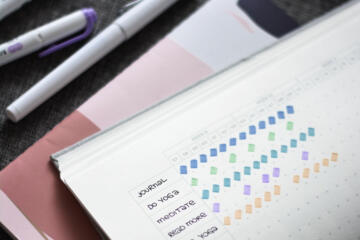
- Log bedtime, lights dim time, and awakenings for 14 days.
- Change only one variable after day 7.
Change one lever at a time.
Common Mistakes
People often add more steps instead of removing the ones that keep the body alert. A routine that includes “one more episode,” “one more email,” or “one more scroll” keeps the brain in novelty mode and delays sleepiness. Another mistake is moving bedtime earlier without changing the wind-down lead-in, which shortens the time your body needs to transition. If you shift bedtime by 60 minutes but keep caffeine and bright light unchanged, the routine will feel like it “doesn’t work,” because the biological cues stayed the same.
Skip the perfect-night fantasy.
Some mistakes come from misreading tracking. Wearables estimate sleep stages using motion and heart-rate patterns, and they can misclassify quiet wakefulness as sleep. If you adjust based on a single night’s wearable score, you chase noise. Another mistake is using the bed for activities other than sleep and sex; this can condition the bed as a place for wakefulness. If you lie awake for 30–45 minutes, get out of bed and do something quiet in dim light, then return when sleepy—this approach aligns with common behavioral sleep guidance.
Bed should cue sleep.
FAQ
How long should my evening routine be?
Most people do well with a 30–45 minute wind-down plus a minimum routine under 10 minutes for late nights. Start there, then adjust based on sleep latency and awakenings in your log.
What time should I stop using my phone?
Stop using it in bed at least 60–90 minutes before your planned sleep time, and dim the rest of the room. If you must use it, keep brightness low and avoid scrolling.
Does a shower help sleep?
A warm shower can support relaxation and a clear cue, especially when paired with dim light afterward. The effect varies, and very hot showers right before bed can feel stimulating for some people.
Can I drink alcohol and still sleep well?
Alcohol can help you fall asleep for some people but often increases early awakenings and reduces sleep continuity. If you notice a pattern, set a last-drink time earlier in the evening and track awakenings for 10–14 nights.
When should I talk to a doctor?
Talk to a clinician if insomnia persists beyond 2–4 weeks despite routine changes, or if you have loud snoring, choking/gasping, severe daytime sleepiness, or symptoms of restless legs or reflux that disrupt sleep.
Author's Insight
A keepable evening routine behaves like a system with a fallback mode, not a single perfect script. The most reliable improvements usually come from changing the few inputs that biology responds to quickly: light timing, caffeine timing, meal timing, and cognitive load. Tracking one metric per week prevents overfitting your routine to random night-to-night variation. When symptoms persist, the routine test becomes a useful diagnostic step you can discuss with a clinician, rather than a reason to keep adding more steps.
Key Takeaways
Build a routine around a consistent start time, dim light 60–90 minutes before bed, and a caffeine cutoff you can keep. Use a two-level wind-down so late nights still get a short, predictable cue. Track bedtime, lights dim time, and awakenings for 14 days, then change one variable after day 7. A routine can improve sleep timing and continuity, but it cannot correct medical causes like sleep apnea, severe reflux, or medication-related insomnia. Seek professional medical advice if sleep problems persist beyond 2–4 weeks, if you have red-flag symptoms, or if daytime functioning remains impaired.