Home Noise And dB
Noise disruption depends on more than a single decibel number. Sound intensity (measured in dB), frequency content, and how steady or intermittent the noise is all change how the brain handles it. A vacuum at 70 dB can feel different from a neighbor’s bass-heavy music at the same level, because low frequencies travel and mask speech differently.
In homes, the most common concentration threats come from intermittent events: door slams, footsteps above, garbage pickup, and sudden TV or music peaks. Continuous noise like a fan or refrigerator hum can still affect focus, but many people adapt faster when the sound stays stable. If you work from home, you may notice that interruptions cluster around specific times, like 7:30–8:30 a.m. when routines overlap.
Decibels are logarithmic, so a 10 dB increase represents about a tenfold increase in sound intensity. That means moving from 50 dB to 60 dB is not a small change, even though both numbers look close on paper. A practical way to think about it: the room becomes harder to ignore, and speech cues become more likely to intrude on reading and writing.
Main Problems And Pain Points
People often treat dB as a universal “harm” score, then miss the concentration angle. Concentration disruption can happen at levels that do not cause hearing damage, especially when the noise contains speech-like frequencies or sudden peaks. A quiet room with occasional sharp sounds can feel more distracting than a steady background at the same average dB.
Another common mistake is measuring only one spot and one time. Noise levels vary by location because walls, windows, and furniture reflect sound. If you measure near a window, traffic noise can dominate; if you measure behind a bookshelf, you may record a lower level but still experience distracting peaks when doors open. Many phone apps also apply internal calibration assumptions, and the microphone quality can drift with temperature and case placement, which is why a “reading” without context can mislead.
Household noise sources also depend on supporting technologies. HVAC systems, for example, use fans and duct resonances that create tonal components; those tones can cut through masking more than broadband noise. Smart speakers and TVs add another layer because automatic volume normalization and compression can create brief spikes. Even when the average level looks moderate, the peaks can trigger attention shifts.
Finally, people underestimate how room acoustics change perception. Hard surfaces like bare floors and large windows increase reflections, raising perceived loudness and clarity of speech. Soft furnishings reduce reflections, but they do not stop low-frequency vibrations from neighbors’ footsteps or bass. A room can measure “fine” yet still feel intrusive because the sound arrives with a strong directionality or repeated pattern.
Solutions And Advice
Measure With Realistic Setup
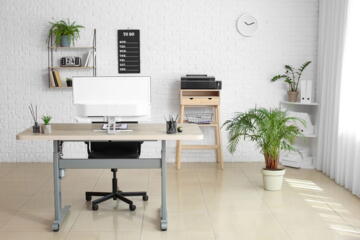
Start with a simple measurement plan that matches your work pattern. Place the phone or meter at desk height, about 0.5–1 m from where your head sits, and record for at least 30 minutes during the time you usually focus. If you can, capture both “quiet baseline” and “worst-case” periods, like when someone showers or the dishwasher runs. A tool like NIOSH’s Sound Level Meter guidance is often cited for measurement principles, but phone apps vary; treat them as directional rather than laboratory-grade.
For a quick sanity check, compare readings across locations: desk corner, near the window, and near the door. If the numbers swing by 10 dB, your room layout is doing more than you think. I once saw a reading drop noticeably after moving the phone from a reflective desk surface to a fabric-covered chair back; the difference felt minor, but the meter disagreed.
Target dB Ranges For Focus
Use concentration targets as decision thresholds, not as medical cutoffs. Many people find that sustained focus improves when background noise stays around the 35–45 dB range, similar to a quiet home with HVAC on low. When noise rises into the 50–60 dB range, speech and intermittent events become harder to ignore, and reading speed often drops for tasks that require sustained attention. Above 60 dB, interruptions become more frequent even if the average level seems tolerable.
Peak noise matters too. A brief spike that jumps 15–20 dB above the baseline can pull attention even if the average stays moderate. That is why a door slam or a sudden TV ad can feel disruptive. If you see a meter graph, look for spikes rather than only the mean; a “60 dB average” with rare peaks can be less distracting than a “50 dB average” with frequent peaks.
Reduce Peaks, Not Just Average
Noise control works best when you address the event that causes the spike. For footsteps, a rug with a dense underlay reduces impact noise transmission, though it does not stop structure-borne vibration. For door slams, add soft-close hinges or door bumpers; the goal is to remove the sharp transient. For TV or music, keep the source behind closed doors and lower the peak volume rather than relying on “night mode” alone, which can still create compression-driven surges.
Sound masking can help when reduction is hard. White noise or broadband masking at a low level can reduce the contrast between quiet and loud moments, but it should not compete with speech. If you use headphones, keep volume low enough that you can still hear alarms; many hearing-safety guidelines recommend limiting exposure, and the safest approach is to follow manufacturer and hearing-safety advice rather than guessing.
Use Room And Layout Fixes
Acoustic changes often outperform “more volume” strategies. Add soft furnishings where reflections build up: curtains, bookcases with irregular surfaces, and rugs that cover the main reflection paths. If you have a desk facing a hard wall, try turning it so your listening position is less aligned with direct reflections. A small change in placement can shift the balance between direct sound and reflected sound, which changes perceived intrusiveness.
For HVAC noise, check whether the issue is fan speed or duct resonance. If the system has multiple modes, test “low” and “auto” settings during work blocks and compare the noise profile. On one setup I reviewed in 2024, switching from a high fan mode to a low continuous mode reduced audible tonal components, even though the average dB changed only slightly.
Case Examples
Apartment With Footsteps Above
A tenant works from a desk near a window and records 48–52 dB during quiet periods, but the meter shows repeated spikes to 65–70 dB when someone walks overhead. The tenant’s focus drops during those spikes, especially for tasks that require reading. The fix plan starts with a dense rug and underlay, then adds a door draft stopper to reduce adjacent hallway noise peaks. After two weeks, the tenant measures again and finds the baseline stays similar, while the spike frequency drops; the workday feels more stable even without a large average dB reduction.
Home Office Near Street Traffic
A home office sits 3–5 m from a window facing a busy road. The average reading hovers around 55 dB, but the worst moments align with passing buses and honking, which create sharp peaks. The household installs heavier curtains and adds a bookshelf to break up reflections, then tests a white-noise source at low output during focus sessions. The average dB changes modestly, yet the perceived distraction decreases because the peaks become less contrasty against the masking background.
Noise Checklist And Targets
| Situation | Typical dB Range | Concentration Impact | What To Try First |
|---|---|---|---|
| Quiet home baseline | 35–45 dB | Usually manageable for reading and writing | Keep doors closed; reduce occasional peaks |
| Moderate background | 50–60 dB | Speech cues and intermittent events intrude | Address sources; add soft furnishings |
| Loud or peak-heavy | 60+ dB (especially peaks) | Attention shifts become frequent | Seal gaps; reduce transients; consider masking |
Step-by-step checklist for a practical measurement-to-fix loop:
- Pick a focus task that you can repeat, like a 20-minute reading block.
- Record noise for 30 minutes at desk height and note any events that coincide with attention loss.
- Mark peaks on the meter timeline; count how often spikes occur per hour.
- Fix one driver at a time (door slam, footsteps, HVAC tone, window reflections).
- Re-measure after changes and compare spike frequency, not only the average.
Common Mistakes
One mistake is chasing a single number from a phone app without checking calibration or microphone placement. If the phone sits in a pocket, on a desk edge, or inside a soft case, readings can shift enough to change your conclusions. Another mistake is ignoring frequency and speech content; a “moderate” dB level with clear speech can disrupt concentration more than a higher level with steady broadband noise.
People also overestimate what insulation can do for impact noise. Wall insulation helps airborne sound, but footsteps and vibrations travel through structures. If the problem comes from above, floor underlay and rugs reduce impact transmission, while ceiling treatments help less than people expect. If the problem comes from outside, window upgrades and sealing gaps can reduce airborne noise, yet they do not stop low-frequency rumble as effectively.
Finally, some households try to solve noise by raising background sound from TVs or fans. That can mask the original noise but also adds its own speech and tonal components. If you use masking, keep it low and stable, and test it during the same task you used for baseline measurement.
FAQ
What dB level disrupts focus?
Many people notice concentration problems when background noise sits around 50–60 dB, especially when peaks occur. Focus disruption depends on sound type and timing, so a room with 50 dB plus frequent spikes can feel worse than a steady 55 dB.
Do decibel readings predict hearing damage?
Decibel levels for concentration are not the same as hearing-damage risk. Hearing risk depends on exposure duration and frequency, while concentration disruption can happen at lower levels that do not threaten hearing.
How can I measure home noise accurately?
Measure at desk height where you work, record during your usual focus window, and compare multiple locations. Treat phone apps as directional and focus on trends and peak events rather than a single absolute number.
Are sudden noises worse than steady noise?
Sudden transients often disrupt attention more because they create high contrast against the background. A brief spike can pull focus even when the average dB looks moderate.
Do rugs and curtains reduce dB?
Rugs and curtains mainly reduce reflections and some airborne sound, which can lower perceived loudness and speech clarity. They reduce impact noise less than people expect, so footsteps from above often need underlay and floor-focused changes.
Author's Insight
Noise control at home works best when you treat dB as one input, not the whole story. Concentration disruption tracks with peak events, speech-like frequency content, and room acoustics, which is why spike frequency often predicts distraction better than the average. Measurement quality matters: microphone placement and time-of-day patterns can change readings enough to mislead decisions. A practical approach pairs short measurement sessions with one change at a time, then re-checks the noise profile during the same task.
Key Takeaways
- Concentration disruption depends on intensity, peaks, and sound type, not only a single dB number.
- Background noise around 35–45 dB often supports quieter focus, while 50–60 dB with peaks commonly intrudes.
- Measure at desk height during real work blocks and track spike frequency, not only average dB.
- Fix the source of transients first: door slams, footsteps, HVAC tonal components, and window reflections.
- Use masking or acoustic changes as targeted tools, then re-measure to confirm the improvement you can feel.