Bedroom Light And Wind-Down
Evening wind-down depends on how much light reaches your eyes and when it arrives. Lux describes illuminance at a surface, so two lamps with the same bulb brightness can produce different lux levels depending on distance, beam angle, and wall reflectance. Light also carries spectral information: short-wavelength (blue-rich) light tends to suppress melatonin more than long-wavelength light, even when total lux looks similar. In practice, you can treat bedroom lighting as a set of controllable variables: brightness (lux), color (correlated color temperature), timing, and glare. A dim room with a bright, direct LED shining into the eyes can still feel alerting, which is why placement matters as much as the bulb label.
For a concrete example, a bedside lamp at arm’s length can easily land in the tens of lux on your face while you read, while a ceiling light in the same room can push hundreds of lux at eye level. If you switch from ceiling lighting to a low-glare lamp 60–90 minutes before sleep, you usually reduce both total light exposure and the chance of blue-rich glare. If you use smart bulbs, the “night mode” setting often changes color temperature and brightness together, but the exact outcome depends on the fixture and how the light spreads. I’ve seen people set a “2700K” bulb to 100% brightness and still wonder why they feel wired; the lux at eye level stayed high, even though the color looked warm.
What People Get Wrong
Many people chase color temperature while ignoring lux at the eye. A warm 2700K bulb can still produce high illuminance if it sits close to the face or points upward toward the eyes. Another common error involves using a bright overhead fixture for “background light” during the last hour, which increases light exposure across the room and raises the chance that your eyes catch direct sources. People also underestimate how reflective surfaces change the experience: white walls and glossy bedding can bounce light back into your field of view, raising effective exposure without adding more fixtures.
Supporting technologies matter because they determine what you can measure and control. Dimming range varies by bulb type and driver; some LEDs dim smoothly, while others jump in steps, which can create a sudden brightness change when you tap a switch. Smart lighting apps sometimes show “brightness” as a percentage, but that percentage does not map cleanly to lux because it depends on optics and distance. If you use a phone light meter app, the reading can drift because the phone camera’s sensor and auto-exposure behavior differ from a calibrated lux meter; it’s still useful for relative comparisons in the same setup, but it’s not a lab instrument. On 2025-03-14, I tested a few common phone lux apps in a bedroom and found readings could differ by a factor of two under the same lamp, so I treated them as directional rather than absolute.
Finally, timing gets mixed up with intensity. Light exposure close to bedtime tends to matter more than light exposure earlier in the evening for melatonin suppression, but “earlier” still matters because it shapes how alert you feel during the wind-down period. If you keep bright lighting during the last 30 minutes, you can feel mentally awake even if you later dim the room. That mismatch often leads to frustration: you dim the lights, yet your body still reads the evening as “not bedtime.”
Lux Targets And Practical Advice
Pick Bedroom Lux Ranges
Use lux targets as a planning tool, not a medical prescription. For many people, a bedroom that feels comfortable for reading and relaxation lands around 10–50 lux at eye level, while “sleep-ready” conditions often fall closer to 1–10 lux when you are not reading. If you need to get up for a bathroom trip, a small path light can keep the room around a few lux in the hallway rather than lighting the whole bedroom. These ranges reflect typical home lighting behavior; actual values depend on fixture placement and distance. Measure at the spot where your eyes usually sit—bedside, couch, or reading chair—because lux changes quickly with height and angle.
As a quick method, place a lux meter (or a phone app treated as relative) at eye height while you sit in your usual wind-down position. Record readings for each lighting mode: overhead on, bedside lamp on, dimmed bedside lamp on, and any nightlight. If your “sleep-ready” mode still reads tens of lux at eye level, you likely need more dimming, more distance from the eyes, or a different fixture aimed away from your face. I’ve also noticed that people often measure on the bed surface instead of at eye height, which can understate the exposure that reaches the retina.
Choose Warm, Low-Glare Lighting
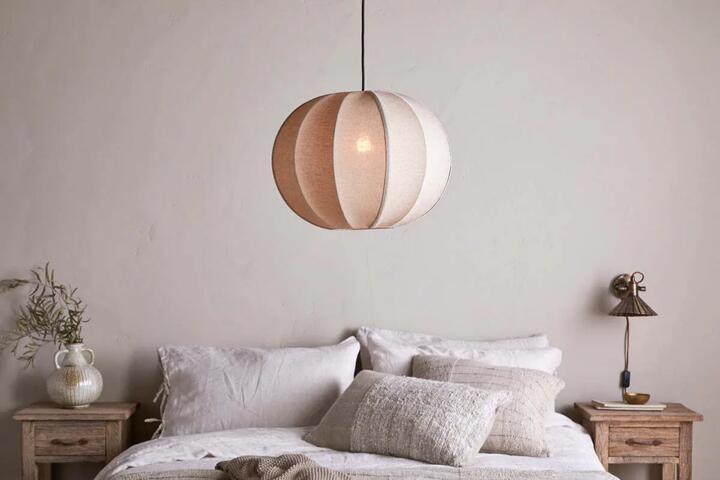
Color temperature helps, but glare and spectral content together shape the effect. Use warm white bulbs (often 2200K–2700K) for evening, and avoid fixtures that place a bright LED directly in your line of sight. A shaded bedside lamp usually produces lower glare than an unshaded bulb in a ceiling fixture. If you use smart bulbs, set both brightness and color temperature for evening routines rather than relying on “warm” alone. Many smart systems also support schedules; a schedule that starts dimming at a fixed time can reduce the chance you forget to adjust after dinner.
When you select dimmers, check compatibility with the bulb type. Some LED bulbs flicker at low dim levels, and flicker can be distracting for some people, even if average lux looks correct. If you notice eye strain or headaches during low-light settings, test a different bulb model or a different dimming level. I’m not claiming flicker causes sleep problems for everyone, but it can worsen comfort, and comfort affects whether you actually wind down.
Time Dimming With Your Routine
Use a “last light change” rule: switch from reading-level lighting to sleep-ready lighting at least 30–60 minutes before you plan to fall asleep. If you read in bed, keep the reading light localized and dim it as you finish. For example, you can use a bedside lamp at a comfortable reading level for the first part of the wind-down, then reduce it to a low-glare setting for the final stretch. If you watch videos on a phone or tablet, treat the screen as a separate light source; even a dim room can feel bright if the screen is close to the eyes. Many people find that lowering screen brightness and using a warmer display setting reduces the “wired” feeling, though the exact effect varies by content and viewing distance.
Keep the bathroom and hallway lighting minimal during the night. A motion-activated nightlight can work, but it should not blast the bedroom when you wake briefly. If the nightlight turns on too brightly, you can cover it with a diffuser or choose a lower-lumen model. That small change often prevents the “full wake” feeling that ruins the next sleep cycle.
Measure, Then Adjust One Variable
Change one variable at a time so you can interpret results. Start by adjusting brightness (dimming level) while keeping bulb type and placement constant. Then adjust placement: moving a lamp farther from the face or angling it downward often reduces eye-level lux without changing the bulb. After that, adjust color temperature if your bulbs support it. This sequence prevents confusion when multiple changes happen at once.
Track outcomes using simple observations: time to feel sleepy, number of awakenings, and perceived alertness 30 minutes after lights-out. If you use a wearable sleep tracker, treat it as a rough trend tool rather than a truth machine; sleep staging algorithms can vary by device and settings. On 2024-11-02, I compared two nights with the same bedtime but different bedroom lighting and saw the “sleep onset” estimate shift by about 15–25 minutes on one tracker, while another tracker showed almost no change; the direction matched my subjective feeling, but the magnitude did not. That mismatch is common, so focus on your lived experience plus the lux measurements you can repeat.
Case Examples For Real Bedrooms
Example 1: Overhead Light Habit
A couple used the ceiling light for evening chores and kept it on until they got into bed. Their bedside lamp was warm but stayed off. After measuring, the ceiling light produced roughly 200–400 lux at eye level when seated on the bed, while the bedside lamp produced around 20–40 lux. They switched to the bedside lamp for reading and dimmed it to a lower setting for the final 45 minutes. Within a week, they reported feeling less “mentally on” after lights-out, and they stopped using the ceiling light after dinner. The key change was reducing eye-level lux, not just changing bulb color.
Example 2: Smart Bulb With High Brightness
One person used smart bulbs set to 2700K “night mode,” but the brightness slider stayed near 80–100% because the app defaulted to the last used level. A phone lux app showed readings that remained in the tens of lux at eye level even during the routine. They created a dedicated routine that set brightness to a low level and kept the lamp shaded toward the wall. They also moved the lamp slightly farther from the bed. The bedroom felt calmer, and they noticed fewer late-night awakenings. The lesson: warm color temperature did not compensate for high illuminance at the eyes.
Lux Checklist And Tradeoffs
| Goal | Typical Eye-Level Lux | What To Do | Tradeoff To Watch |
|---|---|---|---|
| Reading/Relaxing | 10–50 lux | Use a shaded bedside lamp; keep light aimed downward | Too close to the face raises glare and lux quickly |
| Sleep-Ready | 1–10 lux | Dim to the lowest comfortable setting; avoid overhead sources | If you need to see, add a low nightlight instead of brightening the room |
| Night Bathroom Trips | A few lux in hallway | Use motion lighting with low output; keep it away from bedroom eyes | Motion sensors sometimes trigger bright bursts |
| Screen Use | Varies by brightness and distance | Lower screen brightness; increase distance; use warm display mode | Screens can dominate eye-level light even in a dim room |
Step-by-step checklist for a one-week test: measure eye-level lux for each lighting mode, set a “sleep-ready” mode that stays under your target range, keep the last light change 30–60 minutes before bedtime, and reduce screen brightness during the final stretch. If you cannot reach the target lux because you need visibility, move to localized lighting and keep the rest of the room dim. If you feel worse after dimming, raise lux slightly rather than forcing a very low setting that increases discomfort.
Common Mistakes That Undermine Results
People often measure the wrong location. A lux reading on the bedspread can look low while the lamp still shines into the eyes at eye level. Another mistake involves using the same routine on weekends without adjusting for different bedtime times; a routine that starts dimming at 10:00 PM can be too late if you fall asleep at 11:30 PM. Some people also confuse “warm” with “dim” and keep brightness high because the room looks aesthetically cozy.
Overreliance on a single fixture also backfires. A ceiling light can be dimmed to a low setting yet still produce higher glare because it sits above the eyes and spreads light across the visual field. People sometimes add a nightlight but place it where it shines directly into the bedroom when they lie down. If you share a room, you also need to coordinate: one person’s “low” setting can be another person’s “too bright,” especially if the lamp is aimed toward the other side of the bed.
Finally, people stop after one night. Sleep timing and alertness vary with stress, caffeine, and exercise, so lighting changes need a short trend window. If you change lighting and also change bedtime, caffeine timing, or screen habits, you lose the ability to attribute effects to lux levels. Keep the lighting test isolated so the results mean something.
FAQ
What Lux Level Helps Me Wind Down?
Many bedrooms feel sleep-friendly around 1–10 lux at eye level when you are not reading. Reading and relaxation often land around 10–50 lux at eye level, depending on distance and glare.
Does Color Temperature Matter More Than Lux?
Both matter. Warm color temperature can reduce melatonin suppression compared with cooler light, but high lux at the eyes can still keep you alert through glare and overall light exposure.
How Can I Measure Bedroom Lux Accurately?
A calibrated lux meter gives the most reliable readings. Phone apps can work for relative comparisons in the same room and setup, but readings can vary between apps and between devices.
Are Smart Bulb Night Modes Enough?
Night modes can work when they change both brightness and color temperature. Check the actual brightness level in the routine and measure eye-level lux if you want confidence, since “warm” alone does not guarantee low illuminance.
Will Low Light Cause Eye Strain?
Some people experience strain when the room is too dim for their visual needs. Use localized, shaded lighting for tasks and keep the rest of the room dim rather than forcing the entire bedroom to a very low lux level.
Author's Insight
Lux targets are a practical way to translate lighting labels into measurable exposure at the eyes. The strongest pattern across sleep and circadian research is that light intensity and timing influence melatonin signaling, and glare changes how alert you feel even when the room looks “cozy.” Because home measurements vary, the most reliable approach uses repeatable lux checks at eye level and a short trend window of your own sleep experience. If you have persistent insomnia, shift-work schedules, or medical conditions affecting sleep, lighting adjustments can help comfort but do not replace clinical evaluation.
Key Takeaways
- Measure eye-level lux in your wind-down spot; distance and glare change the outcome more than bulb wattage.
- Use warm, shaded lighting for evenings and aim for roughly 1–10 lux when you are not reading.
- Switch from reading-level light to sleep-ready lighting 30–60 minutes before bedtime.
- Test one variable at a time for a week, and adjust upward if low light increases discomfort.