Weekend Recovery Choices
Weekend recovery means planning time so your body can adapt to the week instead of carrying fatigue into Monday. Activity-based recovery uses gentle movement to change how blood flow, joint motion, and muscle tension behave. Passive rest reduces sensory input and physical load, which can calm the nervous system and support sleep. The two approaches work through different pathways, so the best choice depends on what kind of stress accumulated during the week.
For example, after a week of strength training, a short walk plus light mobility often feels better than total stillness, because stiffness decreases when joints move through comfortable ranges. After a week of long sitting, passive rest alone rarely fixes the mechanical issue of tight hips and reduced ankle mobility; a few minutes of standing and easy movement usually helps more. If you feel mentally overloaded, passive rest can reduce cognitive strain, but pairing it with a small amount of movement later in the day often prevents the “stiff and wired” pattern.
Recovery also has a timing component. Muscles and connective tissues respond to load over hours to days, while sleep and stress hormones shift over nights. That’s why a single weekend decision can affect both soreness and next-week performance, even when the workout schedule stays unchanged. I’ve noticed that people track workouts well, then ignore the recovery day, which makes the data incomplete.
Common Pain Points And Traps
Many people treat recovery as a binary choice: either “do nothing” or “train harder.” That mindset breaks down because fatigue has multiple layers. Muscular fatigue responds to reduced load and gradual movement, while cardiovascular fatigue responds to lower intensity activity. Mental fatigue responds to reduced demands, but it also responds to light physical activity that lowers perceived stress for some people.
Another frequent mistake is confusing soreness with injury. Delayed onset muscle soreness can peak 24–72 hours after exercise, and gentle movement often reduces the stiffness without increasing harm. Sharp pain in a joint, pain that worsens with normal walking, or swelling that appears after activity are different signals. Those patterns deserve a medical evaluation rather than a “push through it” weekend plan.
People also underestimate dependencies that shape recovery. Sleep quality depends on light exposure, caffeine timing, room temperature, and stress. Hydration and electrolytes influence how you feel during movement, especially if you sweat heavily. Nutrition affects recovery too, including protein intake and total calories; if the week ended with a calorie deficit, passive rest may feel worse because the body still lacks building blocks. Even the recovery tools matter: a foam roller can help with perceived tightness, but it does not replace sleep.
Supporting technologies show up indirectly. Wearables that estimate heart rate variability or recovery scores can guide trends, but they do not diagnose readiness. If you use an app, check how it defines “recovery” and whether it uses resting heart rate, sleep duration, or movement. On my own phone, an app update on 2026-01 changed the wording from “recovery” to “readiness,” and the underlying logic likely shifted too, which is a reminder to read the method notes.
Activity Vs Passive Rest
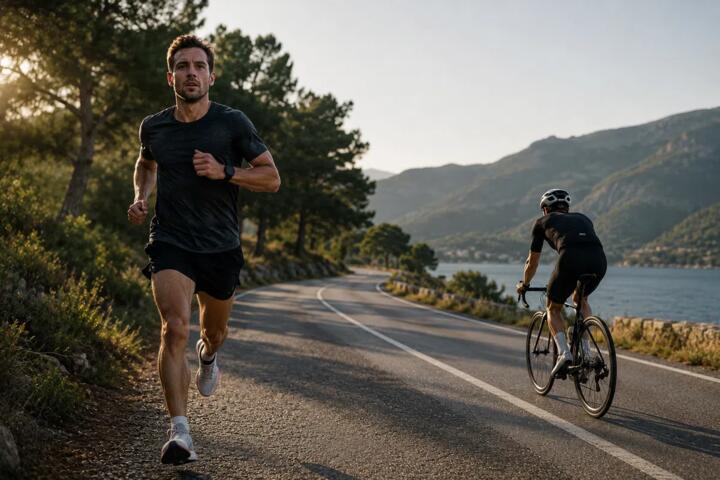
Active recovery typically means low-intensity movement that stays below the level that provokes heavy breathing or sharp pain. Examples include easy cycling, brisk walking, swimming at a comfortable pace, or a short session of mobility and light resistance. The mechanism is not “flushing toxins” in a magical way; it’s mostly about increasing blood flow, improving joint lubrication through motion, and reducing muscle guarding.
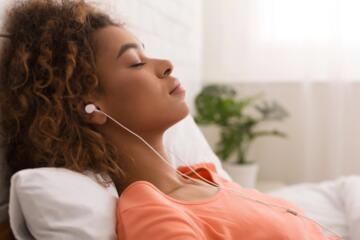
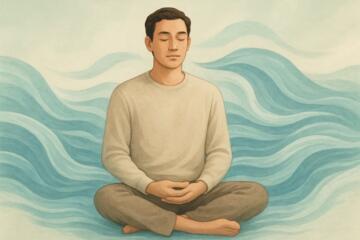
Passive rest includes lying down, sitting quietly, or sleeping without added movement. It can reduce sensory input and lower sympathetic arousal for some people. Passive rest also supports tissue repair through sleep, when growth and repair processes occur. The limitation is that complete inactivity can increase stiffness, reduce circulation in the short term, and worsen the feeling of “drag” for people with desk jobs or low baseline daily steps.
A practical way to decide is to match the approach to the dominant symptom. If the main issue is stiffness and mild soreness, active recovery often helps. If the main issue is exhaustion, poor sleep, or a heavy stress load, passive rest can be the first step, followed by a small amount of movement later. If the main issue is pain that changes your gait, passive rest alone may not solve the cause, and medical advice becomes more relevant.
Intensity matters more than the label. A “recovery workout” that turns into a hard interval session can extend fatigue and delay adaptation. Conversely, passive rest that includes hours of immobility can worsen stiffness. The goal is to choose a dose that supports recovery without adding new stress.
Solutions And Practical Advice
Pick A Recovery Dose
Start with a simple rule: keep the session easy enough that you can talk in full sentences. For walking, many people do well with 20–40 minutes at a comfortable pace, then reassess how soreness feels after 30–60 minutes. For cycling or swimming, 15–30 minutes at low effort often works. If you use a heart-rate monitor, a common approach is staying in a low-intensity zone relative to your usual training, but wearable zones vary by device and personal fitness.
When soreness is high, reduce range of motion rather than skipping movement entirely. For mobility, aim for 5–10 minutes of gentle joint movement, not aggressive stretching. If you feel worse during the session, stop and switch to passive rest and later reassessment. I’ve seen people “test” their limits by doing deep stretches, then spend the rest of the weekend paying for it.
Use A Two-Phase Weekend Plan
Many people benefit from separating recovery into a calm phase and a movement phase. Phase one can be passive rest: a longer sleep opportunity, a quiet morning, or a low-demand afternoon. Phase two can be active recovery: a short walk, easy cycling, or mobility work. This structure helps because sleep supports repair, while later movement reduces stiffness and improves next-day comfort.
A realistic template for a Saturday after a hard week: sleep in by 30–90 minutes if possible, then do 20–30 minutes of easy movement mid-afternoon. On Sunday, repeat the pattern at a smaller dose if you still feel sore. If you have a busy schedule, even a 10-minute walk after meals can change how you feel, and it rarely conflicts with family plans.
Track Signals Without Overreacting
Use a small set of signals rather than chasing every metric. Track perceived soreness (0–10), sleep duration, and a simple mood/stress rating. If you use a wearable, treat recovery scores as trend indicators, not medical truth. A drop in readiness can reflect poor sleep, stress, or illness, and the correct response might be more rest rather than more movement.
Write down what you did the day before the measurement. If your Sunday walk was longer than usual, your Monday soreness might reflect that, not a “bad recovery.” On 2026-03-14, I watched a friend interpret a low readiness score as a reason to skip all movement; the next day she felt stiff because she sat all day. The lesson: match the response to the symptom pattern.
Support Recovery With Basic Inputs
Recovery depends on inputs that sit outside the activity/rest debate. Protein intake across the day supports muscle repair; many active adults aim for roughly 20–40 grams per meal, though exact needs vary by body size and training goals. Total calories matter too; a large weekend calorie deficit can worsen fatigue and perceived soreness. Hydration affects comfort during movement, especially in warm conditions.
Caffeine timing can also shape weekend recovery. If you drink caffeine late, sleep quality often drops, and passive rest becomes less effective. A practical approach is to keep caffeine earlier in the day and avoid large alcohol intake on nights before planned recovery movement, since sleep fragmentation can increase next-day fatigue.
Case Examples With Realistic Outcomes
Scenario 1: Desk job plus strength training. A 34-year-old trains legs on Thursday and works at a desk Friday. Saturday morning brings stiffness in hips and mild soreness in thighs. She chooses 25 minutes of easy walking plus 8 minutes of gentle hip mobility, then rests the rest of the day. By Sunday, soreness drops from a 6/10 to a 3/10, and Monday feels less “heavy” during the first hour of work.
Scenario 2: Poor sleep after a stressful week. A 41-year-old reports short sleep and high stress from work travel. He feels tired rather than sore on Saturday. He schedules a longer sleep window and avoids hard exercise, then does a 15-minute easy walk after lunch. His mood improves slightly, and he reports fewer headaches on Sunday. He still keeps intensity low because the main issue is nervous-system load, not muscle stiffness.
Activity Vs Passive Rest Checklist
| Situation | Primary Symptom | Lean Toward | Weekend Dose Example |
|---|---|---|---|
| Post-workout soreness | Stiffness, mild aching | Active recovery | 20–40 min easy walk + gentle mobility |
| Low energy after stress | Fatigue, low motivation | Passive rest first | Long sleep + 10–15 min easy walk later |
| Desk-job tightness | Stiff hips, reduced mobility | Active movement breaks | 2–3 short walks + light stretching |
| Concerning pain | Sharp pain, swelling, gait change | Medical guidance | Avoid testing; rest and get assessed |
Step-by-step decision checklist:
- Rate soreness and fatigue separately (0–10). If pain is sharp or changes your gait, stop self-experimenting.
- Choose the first phase: passive rest if fatigue dominates, active recovery if stiffness dominates.
- Keep intensity low enough to talk comfortably and avoid deep stretching into pain.
- Reassess after 30–60 minutes. If symptoms worsen during the session, switch to rest.
- Repeat on the next day at a smaller dose if you still feel off.
Common Mistakes To Avoid
Skipping all movement after a hard week often backfires for people who sit most of the day. They may feel “recovered” briefly, then stiffen up, which makes Monday feel harder. A short walk or mobility session later in the day usually prevents that pattern.
Another mistake is treating weekend recovery as permission to overeat or under-eat without noticing the effect. Large weekend swings can worsen sleep and perceived soreness. If you notice you feel worse after late meals, shift dinner earlier and keep the next morning’s movement gentle.
People also overuse aggressive tools. Foam rolling can reduce perceived tightness, but pressing into pain can irritate sensitive tissues. If you use a roller, keep pressure in a tolerable range and spend more time on gentle movement afterward. I once saw someone roll the same spot for 20 minutes; the next day their range of motion dropped, which suggests irritation rather than recovery.
Finally, relying on wearable recovery scores without context can lead to the wrong action. A low score after a late night might mean “sleep more,” not “train less or more.” Pair the metric with sleep duration, stress, and soreness ratings so the response matches the cause.
FAQ
How long should active recovery last?
For most people, 15–40 minutes of low-intensity movement works well. Start shorter when soreness or fatigue is high, then adjust based on how you feel later that day and the next morning.
Does passive rest help muscle soreness?
Passive rest supports repair through sleep, but complete inactivity can increase stiffness. Many people reduce soreness faster when they combine sleep with gentle movement later in the day.
What intensity counts as recovery?
Recovery intensity stays low enough for comfortable conversation and avoids sharp pain. If breathing becomes heavy or pain increases, the session stops being recovery and becomes another training stress.
Can weekend recovery prevent injury?
Recovery can reduce fatigue-related form breakdown, but it cannot guarantee injury prevention. Sharp pain, swelling, or gait changes deserve evaluation rather than “rest and hope.”
Should I use a wearable recovery score?
Use it as a trend, not a diagnosis. Pair it with sleep, soreness, and stress ratings, and respond to the dominant symptom pattern.
Author's Insight
Recovery planning works best when it treats the weekend as a controlled dose of load and nervous-system demand. Active recovery tends to improve stiffness through gentle motion and blood flow, while passive rest supports repair through sleep and reduced sensory input. The most reliable approach matches the dominant symptom—stiffness versus fatigue—and keeps intensity low enough to avoid adding new stress. Wearables can help track trends, but they require context because definitions vary by device and software updates. If pain signals look concerning, the correct next step shifts from self-management to clinical assessment.
Key Takeaways
- Active recovery fits stiffness and mild soreness; passive rest fits fatigue and poor sleep, then movement later often helps.
- Keep recovery intensity easy enough to talk comfortably and avoid deep stretching into pain.
- Use soreness, fatigue, and sleep as your main signals; wearable scores guide trends, not decisions alone.
- Stop self-experimenting when pain is sharp, swelling appears, or gait changes.