Micro-Moments Of Calm
Micro-moments of calm are short interventions—often 30 to 120 seconds—that interrupt stress momentum and bring attention back to the present. They work best when they fit inside existing routines like waiting for a kettle to boil, walking to a car, or pausing after a meeting ends. The goal is not to “feel peaceful” on demand; the goal is to reduce the intensity of the stress response and regain choice over what happens next.
A practical example: before opening email, you spend 60 seconds on a physical cue such as unclenching the jaw and lengthening the exhale. Another example: after a tense conversation, you do a brief sensory reset—notice five things you can see, three you can feel, and one you can hear—then decide whether to respond immediately or wait 10 minutes. These actions are small enough to repeat, which matters because stress patterns often return in predictable places.
Some people use timers. I’ve seen routines work better when the timer label is boring and consistent, like “60s reset” in a phone app, rather than a motivational name. On my end, I also prefer practices that do not require special equipment; a chair, a wall, and your own breath cover most cases.
Main Pain Points And Traps
People often treat calm as a mood target instead of a process. When you aim for a specific feeling, you can end up monitoring yourself, which increases self-consciousness and keeps the stress loop running. A more reliable approach tracks actions: exhale length, posture, and attention shifts.
Another common trap is timing. If you only practice during obvious quiet moments, you miss the moments that actually drive your stress. Micro-moments need to land at the transition points—before a difficult message, right after a conflict, or during the commute segment where your mind tends to replay events.
Supporting technologies can help, but they also create dependencies. Wearables that estimate heart rate or stress via heart-rate variability can guide you, yet they do not diagnose anxiety or medical conditions. If you use a smartwatch, treat its “stress” number as a rough trend, not a verdict. Many devices also require consistent skin contact and stable sensor readings; when the sensor slips, the trend can look dramatic and misleading.
Breath-based practices rely on physiology, not magic. Slow exhalation can shift breathing patterns toward parasympathetic activation for some people, but the effect varies by baseline anxiety, respiratory habits, and medical conditions. If you have asthma, panic disorder, or dizziness with breathwork, you may need gentler versions like normal breathing with attention on the exhale rather than forced slowing.
Finally, people sometimes stack too many steps. A micro-moment should be repeatable under distraction. When the practice requires a long checklist, it becomes another task that competes with the very calm you want.
Solutions And Advice
Pick A 60-Second Script
Choose one script and rehearse it when you feel neutral, not only when you feel stressed. A simple script: (1) drop shoulders, (2) soften the jaw, (3) exhale a little longer than you inhale, (4) name one sensation you can feel in your body. Repeat for 60 seconds. If you want a concrete structure, set a timer for 1:00 and stop when it ends, even if you still feel tense.
Tools that help: a phone timer, a short note pinned to your home screen, or a recurring calendar reminder labeled with the exact steps. Version numbers matter here because apps change; if you use a breathing app, check the settings after updates (for example, a “guided breathing” mode may switch from 4-6 cycles to 5-5 cycles after an update). Outcomes to expect: fewer stress spikes during transitions, not instant calm all day.
Use Attention Anchors
Attention anchors are sensory or cognitive handles that pull you out of rumination. Try one anchor per micro-moment: feel your feet on the floor, notice the temperature of air on your upper lip, or listen for a specific sound in the room. The anchor should be available anywhere, including a grocery line or a crowded office.
Method: do a 3-breath check. On each exhale, shift attention to the anchor for one second, then return to normal. This avoids the “breathing contest” problem where you try to control every breath. If you track progress, track behavior: how often you return to the anchor after you notice you drift.
Realistic outcome: you may still feel stress, but you regain a short window where you can choose your next action instead of reacting automatically. That window often shows up first as fewer impulsive messages or fewer rushed decisions.
Design Your Environment Cues
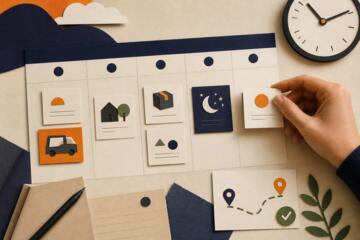
Micro-moments work better when the environment triggers them. Place a cue where you already pause: a sticky note by the coffee machine, a “reset” icon on your lock screen, or a specific object you touch before you start work. The cue should be tied to a routine you already do, like starting the kettle or opening your laptop.
Practical example: if you tend to spiral after checking your phone, create a rule—before you open messages, do one exhale-lengthening reset while standing still. If you use a wearable, you can pair the cue with a manual check-in rather than trusting the device’s stress score. Mild frustration is common here because people want the device to “tell them” what to do; the cue should still be your decision.
Outcomes to expect: fewer “automatic” stress responses and more consistent pauses at predictable times.
Plan For High-Stress Days
On difficult days, micro-moments need a lower bar. Use a “minimum viable calm” version that takes 20 to 30 seconds: one long exhale, one posture adjustment, and one sensory check. If you cannot do the full script, do the minimum and move on.
Also plan a recovery step after the micro-moment. For example, after the 60-second reset, decide whether to delay a response by 10 minutes, stand up and stretch for 2 minutes, or write a single sentence before sending anything. This turns calm into behavior change rather than a temporary pause.
If you have a medical condition that affects breathing or dizziness, keep practices gentle and stop if symptoms worsen. When symptoms are severe, persistent, or accompanied by chest pain, fainting, or shortness of breath, professional medical evaluation matters.
Case Examples
Morning Email Spiral
Scenario: A person checks work email immediately after waking and feels tense within minutes. They choose a micro-moment at the transition: before opening the inbox, they do 60 seconds of jaw softening and slow exhale attention, then they open email and write only the first task for 5 minutes. After one week, they notice fewer rushed replies and a shorter time spent re-reading messages.
What changed mechanistically: the practice interrupts the first stress spike and creates a short attentional gap. The person still feels urgency, but the urgency no longer drives the first action.
Post-Meeting Tension
Scenario: After meetings, a person’s mind replays disagreements during the walk back to their desk. They add a micro-moment at the doorway: three breaths with attention on the sensation of air at the nostrils, then a quick “name the next step” note. They keep the practice to under 90 seconds so it fits between rooms.
Outcome: the replay still occurs, but the person returns to the anchor more quickly and starts the next task sooner. They also reduce the habit of checking messages again immediately after the meeting, which was feeding the cycle.
Calm Micro-Moment Checklist
| Option | Time | What You Do | Best For |
|---|---|---|---|
| Breath + Posture | 30–90s | Unclench jaw, lengthen exhale, feel feet | Tension before action |
| Sensory Anchor | 20–60s | Name 5-3-1 sensations or one sound | Rumination after events |
| Environment Cue | 10–30s | Touch a cue, then do one exhale reset | Consistency across days |
| Minimum Viable Calm | 20–30s | One long exhale + posture shift | High-stress or low-energy days |
Step-by-step decision support: choose one option that you can do in the place you already pause, set a timer for the time range, and decide in advance what you will do immediately after the micro-moment (write one task, delay a reply, or stand up). If you cannot name the next action, the calm practice risks staying abstract.
Common Mistakes
One mistake is practicing only when you feel calm. That builds familiarity with the technique but does not train the interruption skill you need during stress. Another mistake is making the micro-moment too long. If it exceeds 2 minutes, it often gets skipped when life gets busy.
People also over-correct breathing. Forced breath holds or aggressive slowing can worsen discomfort for some individuals. A safer pattern uses gentle exhale lengthening and attention shifts rather than pushing lung capacity.
Some readers track results using mood alone. Mood fluctuates and can mislead you. Behavior tracking works better: count how many times you delayed a response, how often you returned to the anchor, or how quickly you resumed the next task.
Another issue is turning micro-moments into a performance. If you judge yourself for not feeling calm, the practice becomes another stressor. A more realistic target is “I interrupted the loop for 60 seconds,” which can still change the next decision.
Finally, people sometimes rely on wearable stress scores as a sole guide. Sensor errors happen when the device shifts, the skin is dry, or the reading is noisy. Use the score as a trend and pair it with your own attention to sensations.
FAQ
How Long Should A Micro-Moment Last?
Most people start with 30 to 90 seconds. Shorter practices work when you need a quick interruption, while 60 seconds often fits between routine transitions like opening a laptop or leaving a room.
Do Micro-Moments Replace Meditation?
Micro-moments do not replace longer practices for everyone. They function as brief interruptions during the day, while longer sessions train skills more deeply; some people use both.
What If Breathwork Makes Me Dizzy?
Switch to gentler versions that keep breathing normal while you focus on posture and a sensory anchor. Stop if symptoms worsen and seek medical advice if dizziness is frequent or severe.
Can Wearables Track Calm Reliably?
Wearables can show trends in heart rate and sometimes stress-related estimates, but they do not diagnose anxiety or measure calm directly. Treat readings as approximate and confirm with how you feel and what behaviors change.
How Do I Stay Consistent Without Forgetting?
Attach the practice to an existing routine and use a timer or a cue you see every day. Consistency improves when the script is short enough to do even on low-energy days.
Author's Insight
Micro-moments of calm work through attention and physiology rather than through forcing a particular emotion. Short practices can reduce stress momentum by interrupting rumination and changing breathing and posture cues. Evidence from stress and mindfulness research supports the idea that brief attentional training can shift how people respond to stressors, though effect sizes vary across individuals.
For safety, breath-focused practices should stay gentle, especially for people with respiratory conditions or dizziness. If symptoms are severe or persistent, micro-moments can complement professional care rather than replace it.
When readers choose one script and one “next action” for after the reset, the practice becomes measurable in behavior, not just in feelings. That behavioral link is where many people notice the difference first.
Key Takeaways
- Use micro-moments as brief interruptions (often 30–120 seconds) placed at real transition points.
- Track actions and recovery speed, not just mood, because feelings fluctuate.
- Keep scripts short and repeatable; add a minimum version for high-stress days.
- Treat wearable stress numbers as rough trends, not medical measurements.
- If breath practices cause dizziness or worsen symptoms, switch to gentler attention anchors and seek medical guidance when needed.