Weekend Pace And Recovery
A slower weekend is not a single activity; it is a set of constraints that reduce stress signals and protect recovery. When your schedule compresses, your body often treats the whole weekend like a continuation of weekdays. That pattern shows up as later sleep onset, more restless evenings, and a harder time returning to calm the next morning.
Think in terms of inputs: light exposure, meal timing, movement, social contact, and how often you check messages. If you keep those inputs similar to weekdays, your nervous system receives similar cues. For example, a Saturday that starts with bright screens and ends with late scrolling tends to shift your circadian timing later, even if you “rest” in between.
Small changes can matter because stress and recovery are partly driven by physiology. Cortisol follows a daily rhythm, and sleep pressure builds across the day. When you delay bedtime and keep attention fragmented, you often increase the effort needed to fall asleep and stay asleep.
Common Weekend Mistakes
People often try to “rest” by removing one thing, like work tasks, while keeping the rest of the system intact. A common example is replacing meetings with constant phone use, which keeps your attention switching and your eyes in bright light. Another pattern is scheduling errands back-to-back until your body never fully downshifts.
Dependencies matter because weekend calm depends on more than willpower. Sleep timing relies on light, caffeine, temperature, and bedtime consistency. Mood depends on social rhythm, movement, and whether you get enough daylight early in the day. Attention depends on notification design and the friction of opening apps.
Supporting technologies can either help or sabotage. Notification badges, auto-play video, and “infinite scroll” are designed to keep you engaged. Even if you choose to check messages “just once,” the interface makes it easy to check again. I’ve seen this in my own workflow notes from 2024-11, where a single “quick check” turned into a 45-minute loop because the app kept resurfacing the same thread.
Solutions And Practical Advice
Set A Calm Start Window
Pick a morning start window that limits how quickly you enter high-stimulation mode. A workable target is to delay the first message check by 30–60 minutes after waking. If you wake at 7:00, aim for a first check around 7:30–8:00. Pair that with outdoor light for 5–15 minutes, if weather and safety allow.
Use one tool to reduce friction: set “Focus” mode or a similar phone feature to silence non-urgent notifications during that window. On iOS, many people use Focus profiles; on Android, similar modes exist. I’m not claiming a perfect effect, but it reduces the number of interruptions your brain has to recover from.
If you drink caffeine, keep it earlier. A common guideline is to stop caffeine 6–8 hours before bedtime, since individual sensitivity varies. If you’re unsure, track bedtime and sleep onset for two weekends and compare nights with caffeine after mid-afternoon versus earlier.
Plan Meals For Energy Stability
Weekend meals often become irregular, and irregularity can worsen mood and sleep. Aim for a consistent “anchor” meal time, such as lunch between 12:00 and 1:30. Then build the rest around it. If you skip breakfast and then eat a large late dinner, blood sugar swings and late digestion can make sleep feel harder.
Choose one meal strategy that reduces decision load. Examples include a simple breakfast rotation (yogurt plus fruit, eggs plus toast, oatmeal) or a grocery list that covers two dinners. You don’t need perfect nutrition; you need predictable timing and enough fiber and protein to avoid a mid-afternoon crash.
Hydration also matters. Dehydration can mimic fatigue and increase irritability. A practical approach is to drink water with meals and keep a bottle visible. If you wake with dry mouth, you may need to adjust room humidity or timing of late drinks.
Use Movement Without Overbooking
Movement supports calm when it stays within a “low drama” range. For many people, 20–40 minutes of moderate walking or cycling is enough to reduce restlessness without creating a recovery debt. If you prefer strength training, keep it to one session and avoid maximal effort on the night before a planned early bedtime.
Schedule movement earlier in the day when possible. Late intense exercise can raise alertness and delay sleep onset. A mild frustration that shows up in real schedules: people plan a long workout and then try to “catch up” with chores afterward, which keeps the stress loop running.
Use a simple rule: if you can still talk in short sentences during the activity, the intensity is likely moderate. If you can’t, shorten the session or reduce resistance. Your goal is to feel steadier afterward, not wiped out.
Protect Attention After Dinner
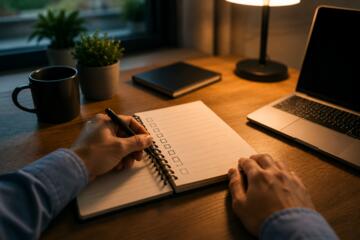
After dinner, reduce the number of “open loops” that pull you back into work mode. One method is a 10-minute “closing ritual” where you write down tomorrow’s top three tasks and then stop thinking about them. Keep the list on paper or in a single note so it does not keep resurfacing as a notification.
Lower light stimulation in the evening. Many people find that dimming overhead lights and using warmer screen settings 1–2 hours before bed helps. If you use a laptop, consider a blue-light filter and reduce brightness rather than relying on a single setting.
Set a hard boundary for social media and news. A realistic target is 30–60 minutes before bedtime. If you struggle, start with a smaller boundary, like 15 minutes, and adjust after two weekends.
Case Examples For Real Life
Scenario: The Notification Spiral
Alex, a remote worker, felt “off” every Sunday night despite having no meetings on Saturday. The pattern started with checking messages immediately after breakfast and then switching between apps whenever a badge appeared. Alex tried a 45-minute delay for the first check, turned off non-urgent notifications during that window, and took a 10-minute walk outside. By the second weekend, Alex reported falling asleep faster and waking with less dread, even though chores still existed.
The lesson was not that messages were harmful by themselves. The harm came from repeated attention switching plus bright morning light from screens. The fix reduced interruptions and shifted the morning cue set toward daylight.
Scenario: Late Dinner And Restless Sleep
Priya planned a “relaxing” Saturday that included a long late dinner with takeout and dessert around 9:00 p.m. She also watched high-stimulation content on her phone in bed. The next night, she struggled to fall asleep and felt foggy on Sunday morning. She changed two variables: moved dinner earlier by about 60–90 minutes and stopped phone scrolling 45 minutes before bedtime.
Sleep improved without changing her social plans. The main difference was timing. Late meals and late screen use often push the body toward alertness and digestion at the same time, which can increase sleep fragmentation.
Weekend Pace Checklist
| Decision Point | If You Want Slower | If You Feel Wired | What To Track |
|---|---|---|---|
| Morning phone use | Delay 30–60 minutes after waking | Use Focus mode and silence non-urgent alerts | Number of checks before breakfast |
| Light exposure | Get 5–15 minutes outdoor light early | Avoid bright screens right after waking | Sleep onset time |
| Caffeine timing | Stop 6–8 hours before bed | Skip afternoon caffeine for one weekend | Night awakenings |
| Dinner timing | Anchor lunch; aim earlier dinner | Move dinner 60–90 minutes earlier | Time from dinner to bedtime |
| Evening attention | Stop news/social 30–60 minutes before bed | Replace with low-stimulation routine | Minutes to fall asleep |
If you only change one item, choose the one that affects the most time windows: morning phone use or evening attention boundaries. You save time, reduce noise, and the inbox stops winning.
Common Mistakes To Avoid
Trying to “catch up” on chores late Saturday often creates a second workday. If you must do tasks, cap them with a timer and stop when it rings. A weekend that ends with a long cleanup can still feel stressful because your brain associates the evening with effort.
Another mistake is using rest activities that keep your attention fragmented. High-stimulation content, fast scrolling, and constant switching between tasks can keep your arousal level elevated. If you want a quiet activity, choose one with a stable pace, like reading a physical book, cooking slowly, or a walk without headphones.
People also underestimate how sleep timing affects Sunday mood. If you stay up later Saturday and then “make up” sleep by sleeping in, you may shift your circadian rhythm and feel worse later. A gentler approach is to keep Sunday wake time within about 1 hour of Saturday.
Finally, avoid treating one weekend as a verdict. Sleep and stress respond to patterns over days, not single nights. Track two weekends and compare, even if the notes feel boring. Boring data beats dramatic guesses.
FAQ
How late can I stay up on Saturday?
For many people, staying up 1–2 hours later than usual is manageable, but larger shifts often delay sleep onset on Sunday night. If you notice a consistent pattern, keep Sunday wake time within about 1 hour and avoid late screen use after dinner.
Does a longer nap help weekend recovery?
Long naps can reduce sleep pressure and delay bedtime, especially if they run into the late afternoon. A common compromise is a short nap (around 10–30 minutes) earlier in the day, then reassess how quickly you fall asleep that night.
What if I need to check work messages?
Use a scheduled check window rather than continuous monitoring. Turn off non-urgent notifications, set a timer for the check, and close the loop by writing down any follow-ups so the task does not keep pulling your attention.
How much outdoor light is enough?
Many people benefit from 5–15 minutes of outdoor light early in the day, though individual response varies with weather, latitude, and skin sensitivity. If you cannot go outside, bright indoor light near windows can help, but results vary.
Can weekend changes improve anxiety?
Weekend pacing can reduce physiological arousal by lowering interruptions, stabilizing sleep timing, and improving meal and movement rhythm. If anxiety is severe, persistent, or interferes with daily function, professional support is the safer next step.
Author's Insight
A calmer weekend plan works best when it targets measurable inputs: light timing, caffeine timing, meal timing, and interruption frequency. Those inputs influence circadian cues and sleep pressure, which then affect mood and perceived stress. The most reliable approach is to change one or two variables at a time and track outcomes like sleep onset and nighttime awakenings.
When people report “rest that doesn’t feel restful,” the cause often sits in attention design and evening stimulation rather than in the absence of work tasks. A small boundary around phone use after dinner can reduce the number of stress-related loops your brain runs. If you want a practical starting point, delay morning message checks and stop social/news 30–60 minutes before bed.
Key Takeaways
- Slower weekends come from constraints on light, timing, and interruptions, not from removing work alone.
- Delay the first message check by 30–60 minutes and get outdoor light early when possible.
- Anchor meal timing and move dinner earlier if sleep feels restless.
- Use moderate movement without stacking intense effort late in the day.
- Set an evening attention boundary and close open loops with a short written list.