Digital Scheduling Basics
Digital scheduling means using apps to capture tasks, time blocks, and reminders in one place so your day runs on a plan instead of memory. A typical setup combines a calendar for time-specific items, a task list for due dates, and a reminder system for prompts that trigger at the right moment.
For example, you might schedule a 20-minute walk in your calendar at 7:30 a.m., add “prep lunch” as a task due by 6:00 p.m., and set a recurring reminder for medication at 9:00 p.m. When these pieces live together, you can review tomorrow in two minutes and reduce the “what was I supposed to do?” loop.
Habit tracking apps can also help when routines matter more than exact times. If you track “water” or “stretching” daily, you get a record of consistency even when life shifts your schedule by 30–60 minutes.
Common Scheduling Pain Points
People often get the workflow wrong by mixing tools without clear roles. A calendar full of vague to-dos becomes noise, while a task app with no time context turns into a list you never review. Another frequent failure is overloading recurring reminders so many alerts fire that you start dismissing them automatically.
Dependencies matter. Most scheduling apps depend on device notifications, background sync, and calendar/task permissions. If notification permissions are off, reminders silently fail. If you deny calendar access, the app can’t read or write events, and your “single view” becomes a manual copy-paste exercise.
Privacy and data accuracy also affect trust. Many apps store your schedule and habits on vendor servers for sync across devices. That can be useful, but it also means you should check what data is collected, how long it’s retained, and whether you can export or delete it.
One more practical issue: time zones and daylight saving time. A reminder set for “9:00 p.m. local” usually follows your device time zone, but travel can create confusion if you rely on a fixed UTC time or if the app interprets recurring events differently.
Tools That Fit Real Days
Calendar + Time Blocks
Use a calendar app as the source of truth for time-specific commitments. Create blocks for routines that anchor your day, like “morning walk,” “work focus,” or “evening wind-down.” A useful test is to schedule one week of blocks and check whether you can follow them without editing every morning.
Look for features that reduce friction: recurring events, color categories, and quick “reschedule” options. If you use multiple devices, confirm sync reliability by checking the last sync timestamp in the app settings (some clients show it in the account panel; I’ve seen this in Google Calendar clients around version 2024.x).
Realistic outcome: with a consistent review habit, many people can cut daily planning time from 10–15 minutes to 2–5 minutes, mainly because the next actions are already time-stamped.
Task Lists With Due Dates
Use a task manager for items that have a deadline but not a fixed time. Split tasks into “next action” steps so you can start immediately. For health-related routines, separate “prepare” tasks from “do” tasks, like “pack gym bag” due at 6:30 p.m. and “workout” as a calendar event.
When choosing a task app, test three things: sorting by due date, recurring tasks, and quick capture from your phone. If the app requires too many taps to add a task, you’ll stop capturing new items and the system will drift.
Realistic outcome: a task list with clear due dates often reduces missed deadlines by making review predictable. The improvement depends on how often you check it; if you check once a week, the gains shrink.
Reminders and Notification Hygiene
Reminders should trigger at the moment you can act. Set one reminder for “start” and avoid stacking multiple alerts for the same behavior. If you need escalation, use a second reminder only after a delay, like 30 minutes later, rather than five separate notifications.
Check notification settings at the OS level. On iOS and Android, apps can lose permission after updates or after you change focus modes. I’ve seen users lose medication reminders after enabling a “Do Not Disturb” schedule that blocked all alerts from that app.
Realistic outcome: fewer notifications usually improves adherence because you stop training yourself to swipe them away.
Habit Tracking and Review
Habit apps work best for daily or near-daily behaviors where consistency matters more than exact timing. Choose a small set of habits you can measure without special equipment. Track “done” with a simple tap, then review weekly to spot patterns like missed days after late nights.
Look for export options and clear privacy controls. Some apps let you download your data in CSV or JSON; others keep it inside the app. If you care about portability, test whether you can export before committing.
Realistic outcome: habit tracking helps you notice trends, but it doesn’t replace medical guidance. If a habit relates to symptoms or treatment, use the app as a record and discuss changes with a clinician when needed.
Case Examples for Setup
Example 1: Busy Week With Health Routines
An anonymized user works 9–5 and wants consistent evening routines. They schedule “dinner” and “medication” in the calendar, add “prep tomorrow’s lunch” as a task due at 6:00 p.m., and set a single medication reminder at 9:00 p.m. They track “stretching” as a daily habit with a weekly review every Sunday.
After two weeks, they notice missed stretching happens on nights with late meetings. Instead of adding more reminders, they adjust the habit to “stretching after dinner” and move the calendar block earlier on meeting days. The system stays stable because the calendar anchors the routine.
Example 2: Student With Multiple Deadlines
An anonymized student has assignments across several courses. They use a task app for due dates and a calendar for study blocks. Each morning they review tasks due in the next 48 hours and place one or two study blocks on the calendar, leaving the rest of the day flexible.
They keep notifications limited to due-date reminders and one daily “review” prompt. When they tried daily reminders for every task, they started ignoring them, which made the system worse. The final setup uses fewer alerts and more predictable review.
Comparison Checklist for Apps
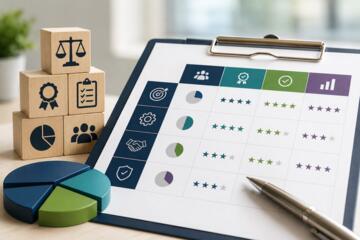
| Decision Point | Calendar-first Fit | Task-first Fit | Habit-first Fit |
|---|---|---|---|
| Primary need | Time-specific events | Deadlines without fixed times | Daily consistency |
| Best test in 10 minutes | Create 3 recurring blocks and reschedule one | Add 5 tasks with due dates and sort by due | Track 3 habits for today and check the streak view |
| Notification risk | Missed alerts if OS permissions block them | Over-alerting if every task triggers | “Streak chasing” if you feel pressured |
| Data portability check | Export calendar events | Export tasks or use an account sync | Export habit history before committing |
Use this step-by-step checklist before you commit to a new app: choose one calendar, one task list, and one habit tracker; add only three items for the first day; verify notifications on both phone and desktop; and run a 7-day trial where you measure whether you spend less time planning.
Common Mistakes to Avoid
One mistake is copying your entire life into the app on day one. That creates a huge list you won’t review, and the system becomes a storage bin. Start with a narrow set: one routine, one work block pattern, and one health-related habit.
Another mistake is using the same tool for everything without clear categories. If you put medication reminders, grocery shopping, and deep work sessions into one list, you lose time context. A calendar handles time; a task list handles deadlines; a habit tracker handles repeated behaviors.
People also underestimate notification hygiene. If you enable every alert type, you train yourself to ignore them. Turn off non-actionable notifications like “new feature tips” and keep only reminders tied to a decision you can make.
Finally, avoid assuming the app’s data is medically accurate. Scheduling tools can record what you entered, but they don’t validate symptoms, dosing, or outcomes. If you track health behaviors, treat the app as a log and follow clinician guidance for interpretation.
FAQ
Which app type fits medication reminders?
A calendar or reminder app with time-based notifications fits medication schedules best because it triggers at a specific time. Use one reminder per dose and verify OS notification permissions so alerts reach you even during focus modes.
How do I stop notification overload?
Keep alerts tied to actions you can take immediately, limit recurring reminders to one or two per behavior, and disable extra notification categories in the app and in the phone’s notification settings.
What should I test during a trial week?
Test capture speed (adding a task in under 10 seconds), rescheduling behavior, sync across devices, and export options for your data. If any of these fail, the system will drift after a few weeks.
Can habit tracking replace a health plan?
No. Habit apps record behavior and consistency, but they don’t replace medical advice. Use them as a log and discuss meaningful changes with a clinician, especially when routines relate to symptoms or treatment.
How do time zones affect recurring events?
Recurring events usually follow your device’s local time zone, but travel can shift expectations. Check how the app handles daylight saving time and whether it keeps “9:00 p.m. local” or uses a fixed time reference.
Author's Insight
Digital scheduling works when each tool has a single job: calendar for time blocks, task list for due dates, and habit tracker for repeated behaviors. Most failures come from unclear roles, notification overload, and missing permissions that break sync or alerts.
When evaluating apps, I focus on measurable checks: how fast you can capture an item, whether reminders fire during focus modes, and whether you can export your data. Those checks matter more than feature lists.
For health-adjacent routines, the safest approach treats apps as records rather than medical decision tools. If your schedule involves medication or symptoms, use the app to track what happened and rely on clinician guidance for interpretation.
Key Takeaways
- Use one calendar for time-specific events, one task list for due dates, and one habit tracker for repeated behaviors.
- Reduce alerts to the minimum number that triggers an actionable moment; notification overload causes dismissal.
- Verify permissions and sync on every device before you trust the system.
- Track health routines as logs, not as medical conclusions, and discuss changes with a clinician when needed.
- Run a 7-day trial with a small set of items and measure whether planning time drops and missed items fall.